
Understanding Asthma and Allergies in Children and Adults

Healthy Breathing

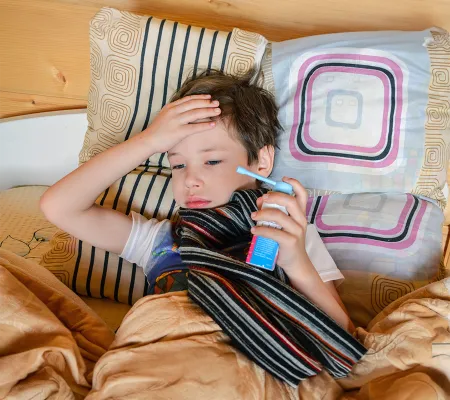
A kid laying on a bed with an inhaler in his hand

Asthma and allergies affect millions of children and adults in the United States. They can make everyday life harder. People may have trouble working, learning, playing, sleeping, or exercising when symptoms get worse. When the weather gets warmer and people go outside more, symptoms can get worse for some people. This is because of things in the air like pollen, mold, grass, and pollution. Learning about asthma and allergies can help people stay healthier all year.

What Are Asthma and Allergies?

Asthma is a long-term illness that affects the lungs and airways. When something triggers asthma, the airways can swell and make it hard to breathe. 

Common signs of asthma include:

  • Wheezing (a whistling sound when breathing) 
  • Coughing, especially at night 
  • Tight feeling in the chest 
  • Shortness of breath 
  • Trouble playing, running, or exercising 

Allergies happen when the body reacts to something that is usually harmless. These things are called allergens. Allergy symptoms can be mild, like sneezing or itchy eyes. Sometimes they can be serious and need medical care right away.

Common allergens include: 

  • Pollen from trees and grass 
  • Dust mites
  • Mold 
  • Some medicines
  • Pet dander (tiny flakes from animals)
  • Some foods
  • Insect bites and stings 

How many people have asthma and allergies?

Asthma and allergies are very common in the United States. The Centers for Disease Control and Prevention (CDC) says about 25 million Americans have asthma. That includes about 5 million children. Asthma is a common reason children miss school and adults miss work.

Allergies are even more common. The Asthma and Allergy Foundation of America says over 100 million Americans deal with allergies each year. About 1 in 4 adults and 1 in 5 children have seasonal allergies.

In North Carolina and other states, many people live with asthma. Things like poor air quality, smoke, mold, and housing problems can make asthma worse for some communities.

A woman with a napkin covering her nose and sneezing

Doctors have also seen more allergies over time, including food allergies and skin allergies. Scientists are still studying why this is happening. It may be related to air quality, environment, and other factors.

Because asthma and allergies are so common, doctors and public health workers focus on early diagnosis, education, and treatment. Getting help early can prevent emergency visits and help people feel better.

Asthma and Allergies at Different Ages

Asthma and allergies can happen at any age, but they often start in childhood. 

In Children

Asthma is one of the most common long-term illnesses in children. Young children may not always explain how they feel. 

Parents and caregivers should watch for signs like: 

  • Coughing often, especially at night 
  • Wheezing when playing 
  • Getting out of breath easily 
  • Tiring quickly during activity
  • Frequent colds or breathing problems

Children with allergies may have: 

  • Runny nose 
  • Itchy or watery eyes
  • Skin rashes (eczema)
  • Reactions to certain foods 

Healthcare professionals recommend that parents watch out for asthma and allergy triggers so children can avoid them. Also, teach your child about their triggers so they grow up knowing which activities to avoid and to seek help when needed. If not treated, asthma and allergies can affect sleep, school, and daily activities. 

In Adults

Adults may have asthma or allergies that started when they were young. Others may develop them later in life. Triggers in adults are often similar to those experienced by children. Symptoms also may be similar to those experienced by children, but adults are more likely to ignore symptoms because of busy schedules. If left untreated, asthma and allergies can lead to missed work, poor sleep, and serious health problems. 

A man reaching for his inhaler coughing

Why Early Treatment Matters

Asthma and allergies can often be controlled with the right care. Doctors can help people:

  • Make a treatment plan 
  • Adjust medicines if needed 
  • Identify triggers 
  • Prevent emergencies 

People with asthma may use an asthma action plan. This plan explains what to do when symptoms get worse. Allergy testing can also help find what causes symptoms. For children, regular checkups help make sure treatments still work as they grow.

Tips for Managing Asthma and Allergies

a photo of a house with the symbol of procteted in the middle

At Home

  • Keep windows closed when pollen is high
  • Use air filters if possible
  • Wash bedding in hot water each week
  • Vacuum and dust often
  • Keep indoor air dry to prevent mold
  • Avoid smoke inside the home
picture with a office and school background showing some tips to avoid Asthma

At School or Work

  • Tell teachers, nurses, or supervisors about asthma or allergies
  • Keep medicine available if needed
  • Share an asthma action plan
  • Watch for triggers in classrooms or work areas
A couple walking outdoor

Outdoors

  • Check pollen and air quality reports
  • Limit hard exercise on bad air days
  • Shower and change clothes after being outside
  • Drink plenty of water 

Working With Your Healthcare Provider

It is important to work with a doctor or healthcare team to manage allergies and asthma. You can talk about:

  • New or changing symptoms 
  • Medicine use 
  • Proper inhaler use 
  • Allergy testing
  • What triggers symptoms
  • Emergency plans 

Parents should also share care plans with schools and caregivers so that they know what to do in case of an emergency.

Trillium Support for Individuals and Families

Trillium is here to help our members’ physical health. We can help you with resources to access treatment for asthma and allergies for you or your child. This may include: 

  • Inhalers and medicines 
  • Allergy treatments 
  • Asthma and allergy screenings
  • Referrals to specialists

With the right care and support, children and adults can manage asthma and allergies to live active, healthy lives. For help or more information, talk to your Tailored Care Manager.

Members and their families can participate in Trillium’s Chronic Disease Self-Management Program to better assist themselves, their child, or loved ones living with asthma and other chronic illnesses. 

Trillium also has an online learning opportunity on the topic of Asthma in My Learning Campus. Trillium also includes an Asthma Medication Refill incentive on our Member Incentive Plan

At Trillium, we believe that support, education, and preventive care can make a meaningful difference in helping individuals and families manage asthma and allergies throughout the year.

Disclaimer:


This blog is for educational purposes only. Please speak to your doctor about any health concerns.