
Where Care and Opportunity Meet

Community Opportunity Centers Bring Support Closer to Home

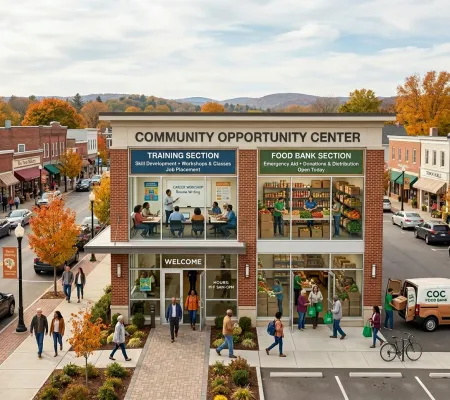
A community Opportunity Center building with people walking aroung
A photo of AJ

Before the rush of the day begins, AJ takes in the quiet of the early morning. After sharing a smile with her two-year-old daughter at daycare drop-off, she pulls into the Life Springs Dream Center in Sanford. As AJ opens the door, she may be thinking about a new home, her ongoing education and career, or other goals that remind her of the future she is building. 

A few years ago, AJ’s imagined future only stretched to twelve hours ahead. It was hard to imagine a future at all. Yet with the support and consistent care of the Life Springs Dream Center, AJ now sees her future in years, not hours. From incarceration and rehabilitation to employment and community, AJ’s story reflects the impact of a Community Opportunity Center.  

For AJ, Life Springs Dream Center became more than a source of support. Through Trillium’s Community Opportunity Center initiative, it continues to grow as a space where local organizations and services work together to help individuals and families build healthier, more stable lives.  
What are Community Opportunity Centers? 

Community Opportunity Centers are hubs designed to help individuals and families. Neighbors can access support, services, and opportunities close to home. Local organizations, healthcare providers, educators, and community partners work together to help neighbors navigate everyday challenges.

For someone like AJ, that support may include recovery services, care management, and a strong community network. Some may need help finding transportation, food resources, employment support, or educational opportunities. Many will find help or opportunities they never knew existed. These centers continue building partnerships with local programs and providers to meet community needs.

The goal is not just to respond to immediate needs, but to help individuals and families build healthier, more stable futures over time. With services and partnerships in one place, Community Opportunity Centers help make support easier to find and use.

Opening the Doors to Local Opportunity 

Health is shaped by more than doctor visits alone. Things like safe housing, food access, transportation, education, employment, and community support all play a role in a person’s wellbeing.

The initiative began as a collaborative approach to real change. Trillium leadership met with community partners to plan out one-stop shops that could help address various issues, like healthcare, education, and barriers to health, in areas that needed those connections the most. ADLA Inc. was the first operational COC with a strong history of community advocacy, service, and connection. 

The initiative continued growing through partnerships like Life Springs Dream Center. More Community Opportunity Centers are now being developed across Trillium’s region.

Life Springs Dream Center

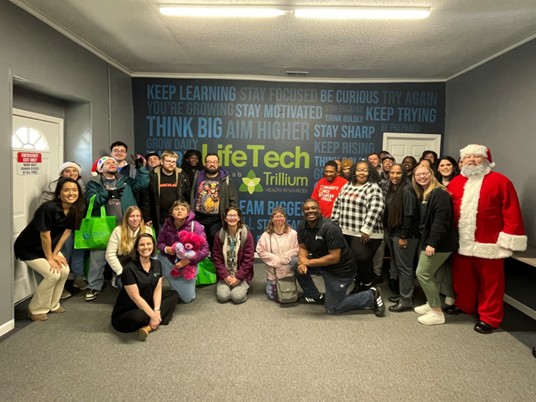
A group of people laughing and posing for the camera

155 S Steele St, Sanford, NC
Serving Lee County and surrounding communities

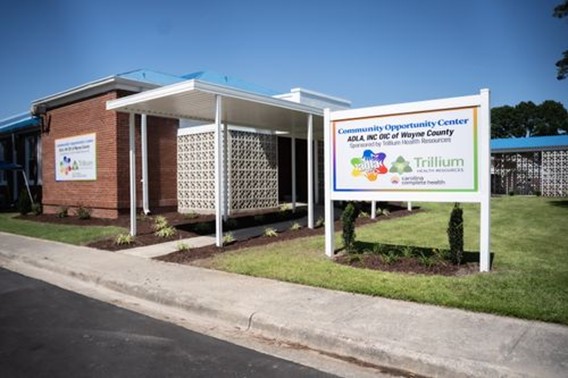
ADLA, Inc.

ADLA office building pictures

612 S Breazeale Ave, Mt Olive, NC
Serving Wayne County and surrounding communities

Each Community Opportunity Center is shaped by the needs of the people and communities it serves. Programs and partnerships may differ by location, but offerings can include:

A room with cubicles and every cubibles a computer
  • Digital access and technology support. Access to computers, internet, digital resources, telehealth services, and technology tools like TULA. Availability of reliable, high-speed internet remains limited in many communities. Internet access is crucial to many aspects of life, such as health, education, or job opportunities. Community Opportunity Centers will work to not only make sure no one is left behind but also build the skills to fully participate in a digital economy.
  • Care coordination and health support. Help navigating healthcare systems, connecting to local resources, understanding services, and managing health needs.
  • Job training and education. GED classes to complete high school, life skills training, job readiness support, and connections to community colleges or career opportunities.
A group of people giving box of good
  • Peer support services. ADLA Inc. and Life Springs Dream Center both offer Certified Peer Support Specialists on-site. ADLA has also started the training process for individuals interested in becoming certified. 
  • Food access and nutrition programs. ADLA’s food distribution and culinary arts programs help address food insecurity while supporting job and skill development. 
  • Community partnerships and outreach. Partnerships with healthcare providers, schools, housing agencies, faith-based groups, and local organizations help connect individuals and families with support close to home.

Small Steps, Big Footprints 

Behind every class, referral, outreach event, or graduation is a person building toward a healthier and more stable future. For AJ, that future now includes higher education, meaningful work, and helping others in their own recovery journey. Across Community Opportunity Centers, more stories like hers continue to grow. A look at a recent month offers a glimpse into the daily activity happening inside these spaces and the people being supported along the way.

At Life Springs Dream Center, the focus has included recovery support, digital literacy, workforce development, and family engagement. In April alone, the center celebrated:

  • Eight graduates from its HVAC workforce program 
  • 12 graduates from its Digital Boss AI class
  • 41 graduates from its youth mentorship program 
  • 225 attendees at its first Mental Health Youth & Family Night 

The center also continued offering peer support specialist training, telehealth services, digital learning opportunities, and community outreach programs throughout the month. Peer Support Specialists not only build our workforce but expand communities’ response to behavioral health and substance use needs. 

At ADLA Inc., outreach, workforce development, and food access programs continued connecting community members with local resources and opportunities. In April alone, the center saw:

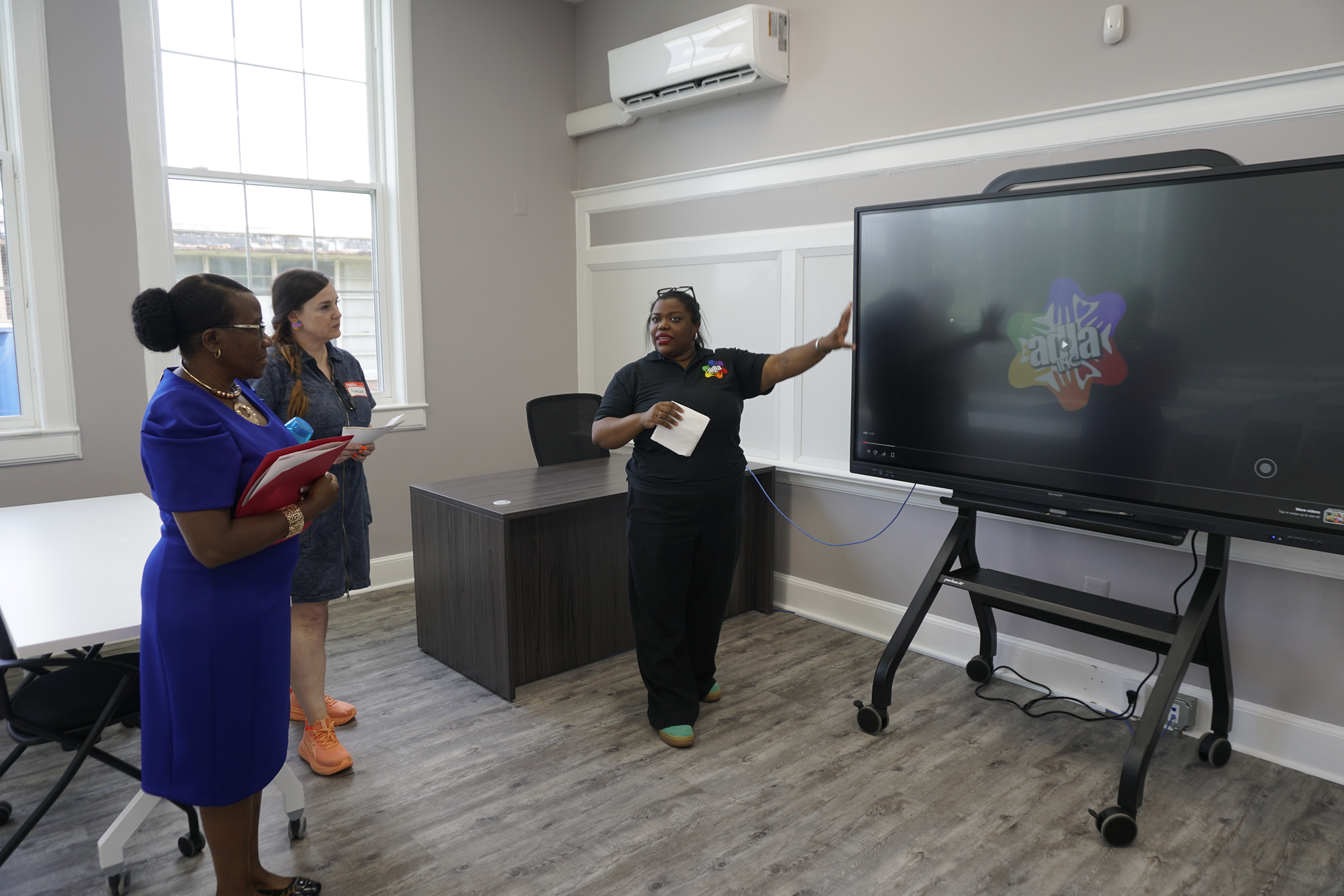
Two women listening to another one in a conference in front of a screen

  • 156 participants served through programming and services
  • 79 referrals completed
  • Nearly 400 individuals supported through food distribution efforts 
  • Outreach events hosted across multiple counties

ADLA also continued offering programs in digital literacy, English as a Second Language (ESL) classes, forklift certification, culinary arts, podcast production, financial literacy, and healthy living. One recent digital literacy cohort achieved a 100 percent graduation rate. 

Whether someone is building job skills, accessing food resources, continuing their recovery, or finding support close to home, these everyday touchpoints can create lasting pathways toward better health and quality of life.

Investing in Our Neighbors Locally

Today, AJ’s future looks very different than it once did. It includes building a career, creating a home for her daughter, and helping others navigate their own recovery journeys.

Her story is only one example of what can happen when individuals and families have access to consistent support, meaningful connection, and opportunities close to home. Across Trillium’s region, Community Opportunity Centers continue creating spaces where people can build skills, improve their health, and connect with local support.

For some, that journey may begin with a class, a referral, or a community event. For others, it may begin with a simple conversation and someone willing to keep showing up. Step by step, those moments can grow into something larger: stronger families, healthier communities, and exciting, long-term futures.

Disclaimer:

This blog is for educational purposes only. Please speak to your doctor about any health concerns.