Reentry Simulation Participant Shares Her Eye-opening Experience

You check your to-do list for the day and already feel behind. You need to get an ID, go to a doctor’s appointment, pick up your prescription medication, and check in on an urgent job opening. The bus runs late. The DMV line is long. A missing document sends you away from the counter with instructions to come back tomorrow. Without your ID, you are unable to pick up your needed medication. By then, you have missed your appointment, lost your chance on a job opportunity, and fallen one step further behind.
In Trillium’s Reentry Simulation, moments like these unfold fast. Participants take on the role of someone returning to the community after being released from prison. What begins as a role-play exercise quickly reveals a deeper truth. Reentry is not just about personal responsibility. It is also about navigating systems that are often fragmented and unforgiving.
Two in five people who are in prison and jail have a history of mental illness according to the National Alliance on Mental Health (NAMI). Add in barriers such as transportation, scarce job opportunities, and housing, participants quickly realize how hard it is to reach stability and success.
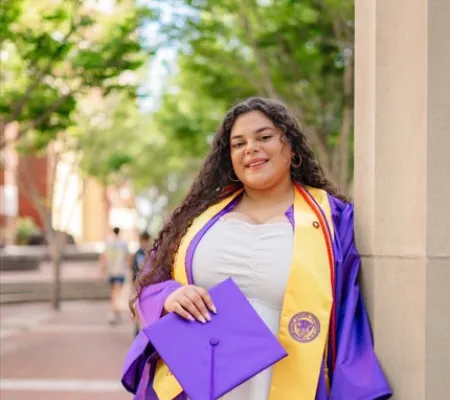
We followed up with Hailey Spellman, a reentry simulation participant, to learn a little more about her and her experience. Hailey is a Master of Social Work student at East Carolina University. She is graduating in May 2026 and plans to pursue a career in the reentry sector or within correctional settings. Her professional goal is to promote successful reintegration by helping individuals access opportunities for stability, growth, and meaningful second chances.
Tell us a little about yourself.
Question: How did you first get interested in a career in social work?
Answer:
I was adopted as a child, which later turned into a real passion for social work. I feel fulfilled helping people who may feel lost, confused about their life, or starting over. I’ve always wanted to support individuals who feel like they don’t have anyone in their corner.
When I first went to college, my initial career path was nursing. I realized one year in that while helping people’s physical needs is important, I wanted to improve someone’s quality of life outside of the hospital and beyond physical health. That realization led me to social work.
When I entered the social work program, my original goal was to work in adoption and foster care. I had my own experience with both and thought I could use that background in my work. That changed after one of my classes participated in Trillium’s reentry simulation at ECU. After that three-hour simulation, I knew I wanted to shift my focus to working with justice-involved individuals as they reenter their communities.
Question: What were some of the feelings you had during the simulation, and how did they change?
Answer:
About fifteen minutes into the simulation, I realized I was wrong in every way. I felt overwhelmed, frustrated, and emotional. There were some moments where I wanted to cry, scream, or just give up.
During one simulation task, I needed to go to the pawn shop to sell my guitar so I could afford two bus tickets. I needed one to go and pay my rent and another one to get to my drug test. When I had “gotten off the bus,” I saw that the shop closed earlier than scheduled. I had relied on this opportunity and had already used my limited funds on transportation. Now I was stranded with no funds for a drug test. I had no money to pay rent. And now, I was stranded with no ability to access transportation.
You hear the word “simulation” and assume it won’t truly feel real, but this experience was different. By the end of the three hours, I didn’t just have a better understanding of the reentry process, I had a lot more compassion for the people who live it every day.
Question: What sparked your interest in attending Trillium’s Reentry Simulation event?
Answer:
At the time, I honestly thought I understood what people faced when reentering society after prison. I was raised with an independent mindset, so I went into the simulation thinking it would be straightforward: Follow the rules. Go where I needed to go. Get what I needed done. If I played the game and completed my tasks, what could go wrong?
Question: What surprised you most about the experience?
Answer:
What surprised me most was how fast everything became overwhelming; how hard it was to keep up. Even simple tasks that most people don’t think twice about. Going to the DMV or getting groceries suddenly felt stressful and confusing.
There were so many rules, time limits, and obstacles that it felt impossible to catch your breath. It really showed me how quickly someone could fall behind, even when they are genuinely trying to do everything the “right way.”
Question: What was a moment from the simulation that really stuck with you?
Answer:
One moment that really stuck with me was a conversation with other participants when someone said they now understood why people might steal or take risks just to get what they need. They had reached a point where it felt like every door was closed.
Hearing that out loud made the experience feel even more real. It helped me understand how desperation can come from constantly hitting wall after wall.
Question: How has the simulation impacted you?
Answer:
This simulation impacted me both personally and professionally in a big way. I’ve always been involved in helping my community and doing my part. Until you truly put yourself in someone else’s shoes, you don’t fully understand the obstacles they face just to survive day to day.
Professionally, it confirmed my interest in working with the reentry population. The simulation reminded me how important patience, empathy, and access to resources really are when you are at your lowest point.
Question: What would you say to someone interested in participating in a future simulation?
Answer:
No matter what career or profession you choose, I truly believe everyone should participate in this simulation. It opens your eyes to challenges that many people face every day but often go unnoticed.
The experience pushes you to think differently, be more understanding, and lead with compassion. You walk away with a new perspective that stays with you long after the simulation ends.


Other Simulations
In addition to Reentry, Trillium hosts Early Childhood and Post-Disaster Simulation events. Register for one of our upcoming events or check back on our Events and Training page for upcoming training opportunities in your community.