Helping Young Women Build Confidence and Stay Safe
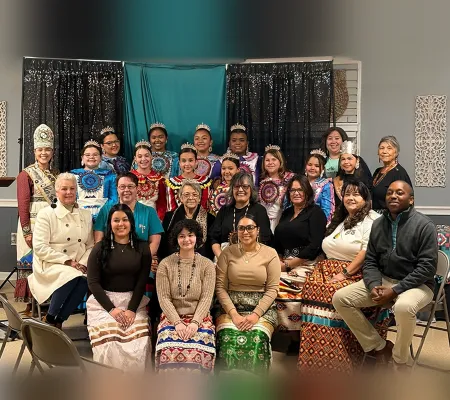
Earlier this year, Trillium partnered with the Rape Crisis Center of Robeson County’s Third Annual Regalia Building and Rape Prevention Education Workshop. The program honored 15 teens in the Native community by teaching important life skills. The girls learned about healthy relationships, personal limits, consent, and how to solve problems peacefully. The program also celebrated Native culture and helped build confidence and self-worth. By working with partners like the North Carolina Coalition Against Sexual Assault, Trillium is helping to build safer and stronger communities.
Supporting Mental Health and Suicide Prevention
Mental health is important for every community. During the United Tribes of North Carolina Unity Conference, Sheena and Trillium staff taught QPR (Question, Persuade, Refer) suicide prevention training. Tribal members learned how to spot warning signs and how to talk with someone who is struggling. They were also taught how to connect people with resources. Through the training, 16 Tribal members learned important skills they can use to help save lives.
Caring for Native Youth
Trillium has also worked with the Guilford Native American Association to provide Youth Mental Health First Aid training. This training helped adults learn how to spot signs that a young person may be struggling with mental health or substance use. They also learned how youth can get support and services. 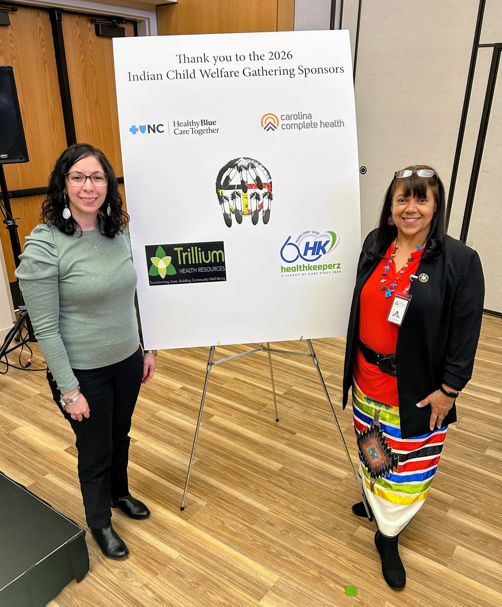 The program was tailored to Tribal and Indigenous communities, respecting their traditions and priorities.
Supporting Native Children and Families
Trillium was involved with the Indian Child Welfare Gathering, a statewide event focused on the well-being of children and families. It was hosted by the North Carolina Commission of Indian Affairs, bringing together key partners like Tribal elders and leaders, state agencies, court officials, and service providers. Their common goal was to share ideas and improve support for Native children involved in foster care and adoption. By helping children stay connected to their families, they also remain tied to their communities and culture.